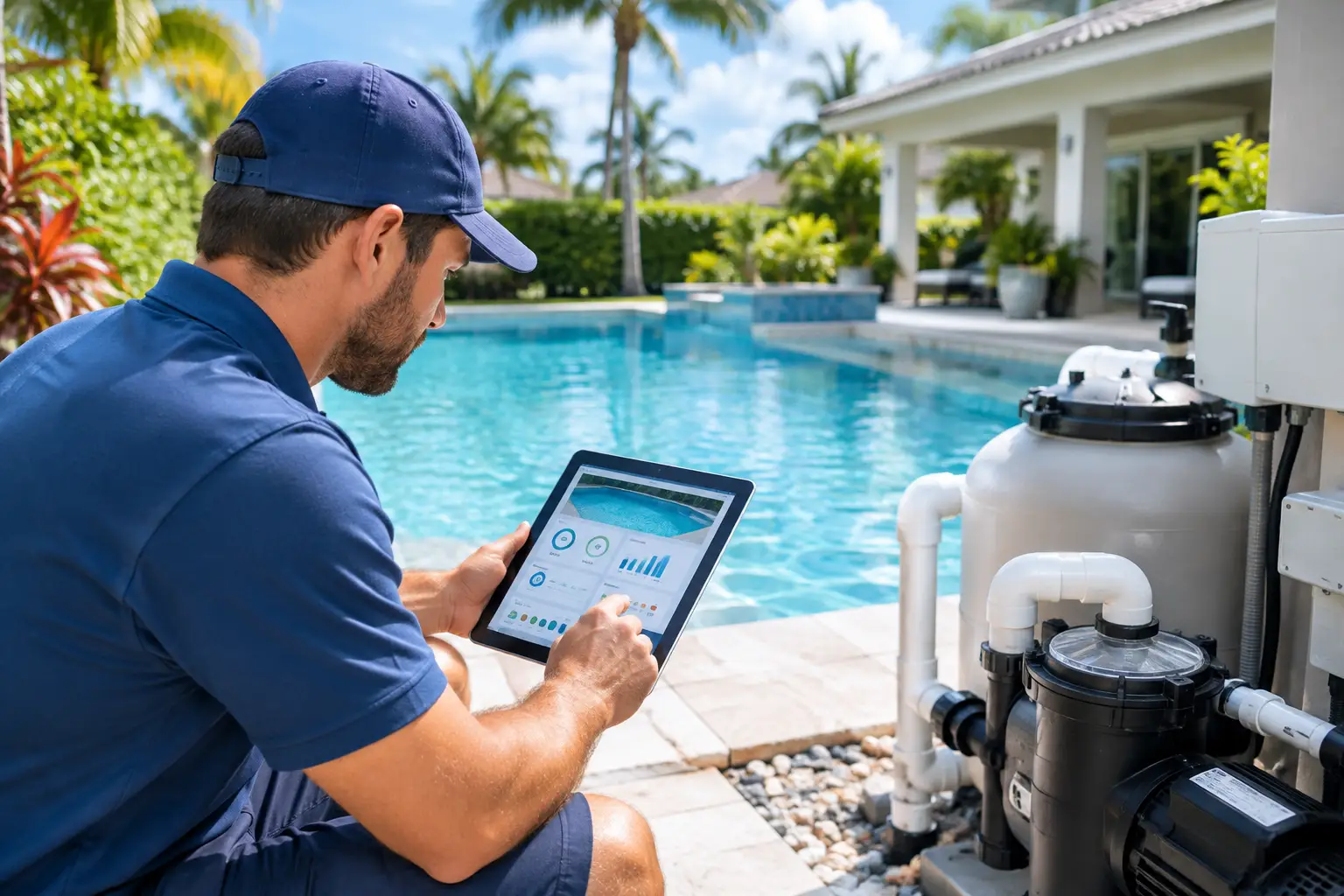
A pool can look clear from the patio and still need attention below the surface. That is why digital pool service reports matter. They give you a timely record of the work completed, the water conditions found, and anything your technician noticed before a small concern becomes a pool-day interruption.
For homeowners who rely on weekly service, a report is more than a receipt. It is proof of care, a communication tool, and a useful running history for the pool and its equipment. When your family is ready to swim, you should not have to wonder whether the pool was serviced or what happened during the last visit.
What digital pool service reports should include
A helpful report starts with the basics: the date and time of the visit, the technician who performed the service, and confirmation that the pool was accessed and cared for. It should then explain the actual work done rather than relying on a vague note such as “pool serviced.”
For weekly residential care, that commonly includes skimming surface debris, emptying baskets as needed, brushing pool surfaces, and vacuuming when the pool calls for it. The report should also confirm that water was tested and balanced based on the conditions found that day.
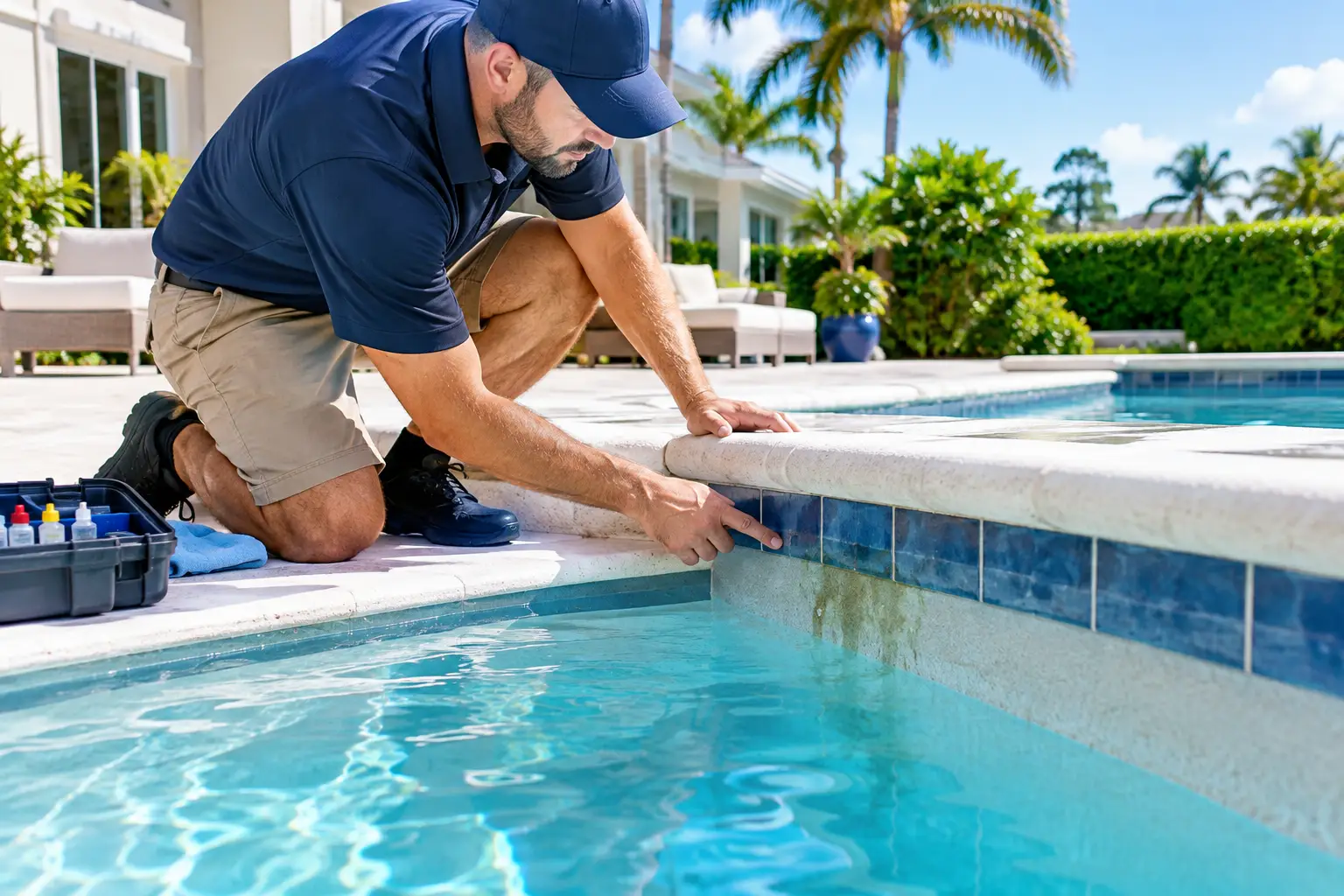
Photos make this information even more useful. A picture of the pool after service offers a simple visual record, especially when you are at work, away for the weekend, or managing a second home. Photographic documentation can also help clarify a seasonal issue, such as heavy wind-blown debris, pollen, a dropped water level, or a recurring stain near a step.
The goal is not to bury homeowners in technical jargon. It is to provide enough detail to answer the questions that naturally come up: Was my pool cleaned? Were the chemicals checked? Does everything look normal? Is there something I need to know?
Water chemistry details give the report real value
Clear water is not always balanced water. A quality service report should document the readings that guide chemical treatment, such as chlorine, pH, alkalinity, and other measurements relevant to the pool’s sanitizing system and condition.
These numbers matter because pool water is always changing. Florida heat, afternoon rain, bathers, landscaping debris, sunscreen, and evaporation can all affect the water from one week to the next. A technician may need to adjust treatment based on what the water needs now, not simply add the same products every visit.
For homeowners, the useful takeaway is the result: water that is safe and properly balanced for swimming, with a clear record that it was tested. If a reading needs extra attention or follow-up, the report should say so in plain language. That gives you context without asking you to become your own pool chemist.
There is a practical trade-off here. A short report is quick to scan, but it can leave out the details that explain a treatment decision. A report packed with raw readings may be thorough but hard to interpret. The best digital pool service reports provide both clear service notes and the essential chemistry information behind them.
Why chemical notes are useful over time
One report tells you what happened on a particular day. Several months of reports can reveal patterns. Perhaps the pool consistently needs more attention after major storms, or perhaps water balance becomes more difficult during the hottest part of the year. That history helps a service professional make more informed recommendations when a problem develops.
It can also be valuable after a green-to-clean recovery, an acid wash, a new-pool startup, or a resurfaced-pool startup. These situations require close observation and structured care. Digital records make it easier to track the pool’s progress and document the steps taken along the way.
Equipment observations should not be an afterthought
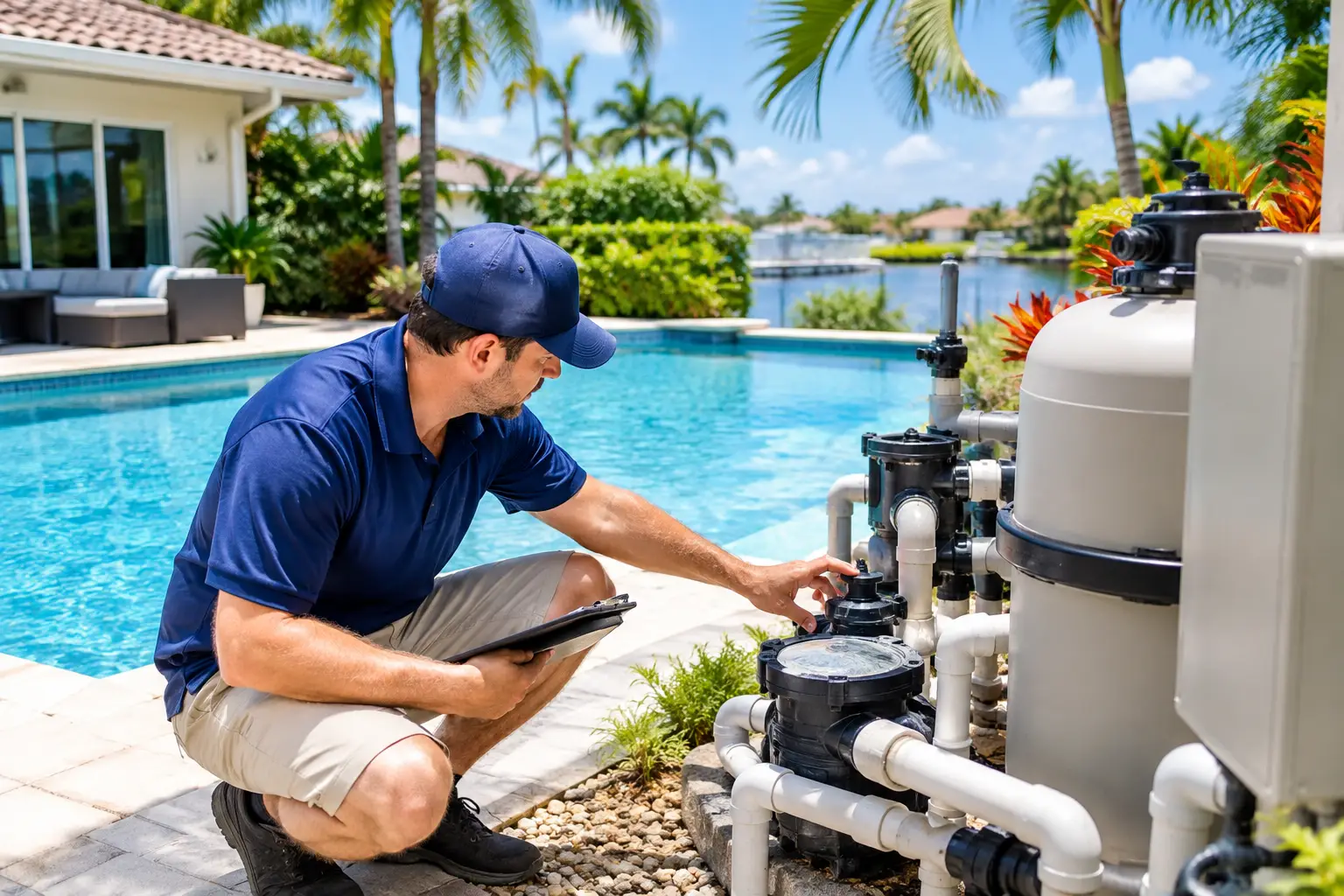
Weekly service is also an opportunity for routine visual inspection of the pool system. A technician may notice a pump that sounds unusual, a leaking fitting, reduced circulation, air in the pump basket, a heater concern, or an automation issue. The visit report should identify the observation and explain whether it needs prompt attention, monitoring, or a separate repair visit.
That does not mean every note signals an emergency. A full skimmer basket or a leaf-heavy pool after a storm can be handled as part of normal service. But a report should distinguish routine conditions from a concern that may affect water quality, circulation, or equipment life.
Early communication is especially valuable with pumps, heaters, heat pumps, saltwater systems, and automation equipment. These systems work together, and a small issue can sometimes put extra strain on another component. Knowing what was observed lets you make an informed decision instead of discovering the problem when the pool is no longer circulating or heating as expected.
Homeowners should not attempt electrical or complex equipment repairs based on a report. Its purpose is to keep you informed and help you arrange qualified service when needed.
Photos build trust without requiring you to be home
A photo is a straightforward way to show that a visit happened and the pool was left in good order. For busy families, that reassurance is meaningful. You may leave for work before service begins and return after sunset, yet still know that the water was checked, the deck-side conditions were noted, and the pool received care.
Photos are also helpful when there is an exception to the normal routine. A technician may document a broken basket, visible algae, a damaged cleaner hose, a low water level, or an equipment-area issue. A clear image reduces misunderstandings and gives you a better picture of why further work may be recommended.
Of course, photos are most helpful when paired with context. An image of a pump lid does not mean much on its own. A note explaining that the technician observed air entering the system, for example, turns the photo into useful information.
What a good report should not do
Digital reporting should make pool ownership easier, not create a stream of confusing alerts. Reports that are overly generic can feel automated and offer little accountability. On the other hand, a report that flags every minor cosmetic detail can make normal pool ownership seem alarming.
Look for communication that is specific, calm, and practical. If the pool is in good shape, the report should say so. If something needs attention, it should explain what was found, why it matters, and the sensible next step. When recommendations are needed, there should be a clear difference between urgent repair needs and improvements that can be planned for later.
Consistency matters, too. Receiving a detailed report once is helpful; receiving reliable notifications and clear records after ongoing visits is what creates real peace of mind.
A better record for your pool and your home
Digital records can be useful beyond the weekly visit. When a homeowner notices a change in water quality, equipment performance, or operating costs, past reports provide a starting point for the conversation. They can show when an issue first appeared, what conditions were present, and whether the concern has changed over time.
They are also useful when more than one person helps manage the property. A spouse, adult child, house sitter, or property manager can review the same information without relying on relayed messages. That is particularly helpful for seasonal residents or homeowners who travel often.
For a family-owned company such as Turtle Pool Care, reporting is part of showing up responsibly. The work still happens poolside: careful cleaning, sound chemistry decisions, and experienced equipment observations. The digital report simply makes that work visible to the homeowner.
A well-kept pool should feel easy to enjoy. The next time a service notification arrives, take a moment to look beyond the “completed” status. A clear report and a few useful photos can tell you a great deal about the care protecting your next turtly clean swim.