A pool can look clear from the patio and still be telling you something is wrong. A new whine from the pump, weak water movement at the returns, an air bubble under the pump lid, or a heater that will not hold temperature can all point to a developing issue. Prompt Royal Palm Beach pool repair can prevent a small equipment concern from becoming a lost weekend of swimming, poor water quality, or a more involved repair.
For homeowners, the goal is not to become a pool equipment expert. It is to recognize when a change deserves attention, protect the pool from avoidable damage, and have a clear record of what was found and what was done. Florida pools work hard through heat, rain, heavy use, and year-round circulation, so timely care makes a real difference.
When a Pool Problem Is More Than Routine Maintenance
Weekly service handles the work that keeps a pool consistently inviting: skimming, brushing, vacuuming as needed, testing water, balancing chemistry, and visually checking the equipment. Repair becomes necessary when something is not operating as it should or when a water-quality issue will not settle with normal maintenance.
The distinction matters. For example, a little debris after a windy afternoon is normal. Recurring algae, cloudy water despite appropriate treatment, or a filter pressure change that keeps returning are signals to look deeper. The same is true of equipment. A pump that is louder than usual may still run, but unusual noise can indicate a problem that should not be ignored simply because water is still moving.
A careful service visit connects these details. Water behaviour, equipment performance, visible leaks, and recent weather all help explain what is happening. That practical assessment is more useful than treating each symptom as a separate problem.
Royal Palm Beach Pool Repair Signs to Watch For
Reduced circulation or a noisy pump
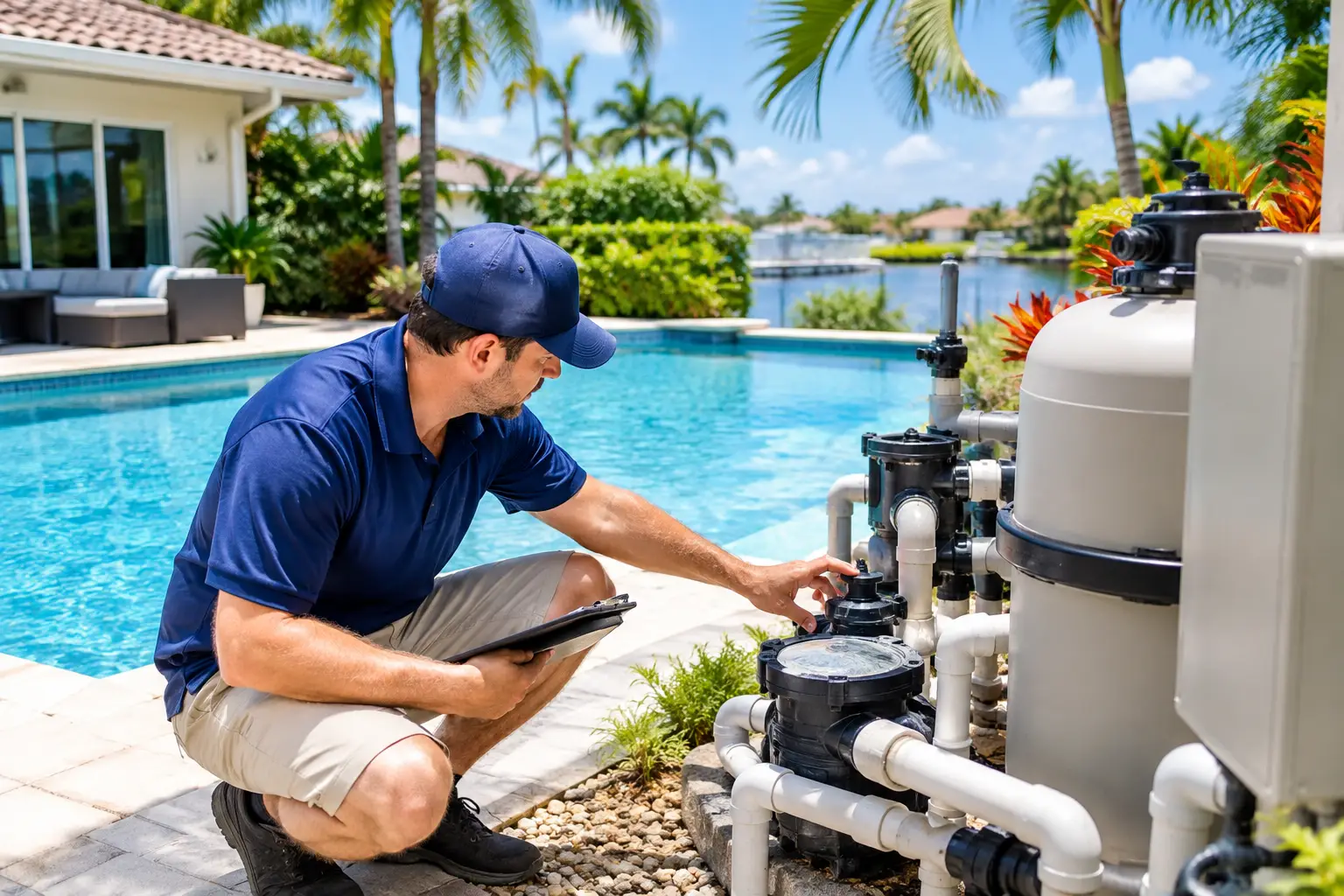
Your pump is central to circulation and filtration. If the returns have noticeably weaker flow, the skimmer is not pulling debris as well as usual, or the pump struggles to prime, there may be an obstruction, an air leak, a filter-related issue, or a pump component that needs attention.
Grinding, screeching, rattling, or persistent humming also deserves a professional inspection. Pumps are not silent, but homeowners generally know the usual sound of their own pool. A change in that sound is worth reporting early. Do not open electrical components or attempt internal pump repairs yourself. Pool equipment combines water, electricity, moving parts, and pressure, which makes safe diagnosis especially important.
Water that turns cloudy or green repeatedly
Cloudy water is not always a repair issue. A busy swim day, heavy rain, or a short-term chemistry shift can affect clarity. But if the pool repeatedly becomes dull, cloudy, or green after treatment, the underlying cause may involve circulation, filtration, sanitation, or an imbalance that needs a more complete evaluation.
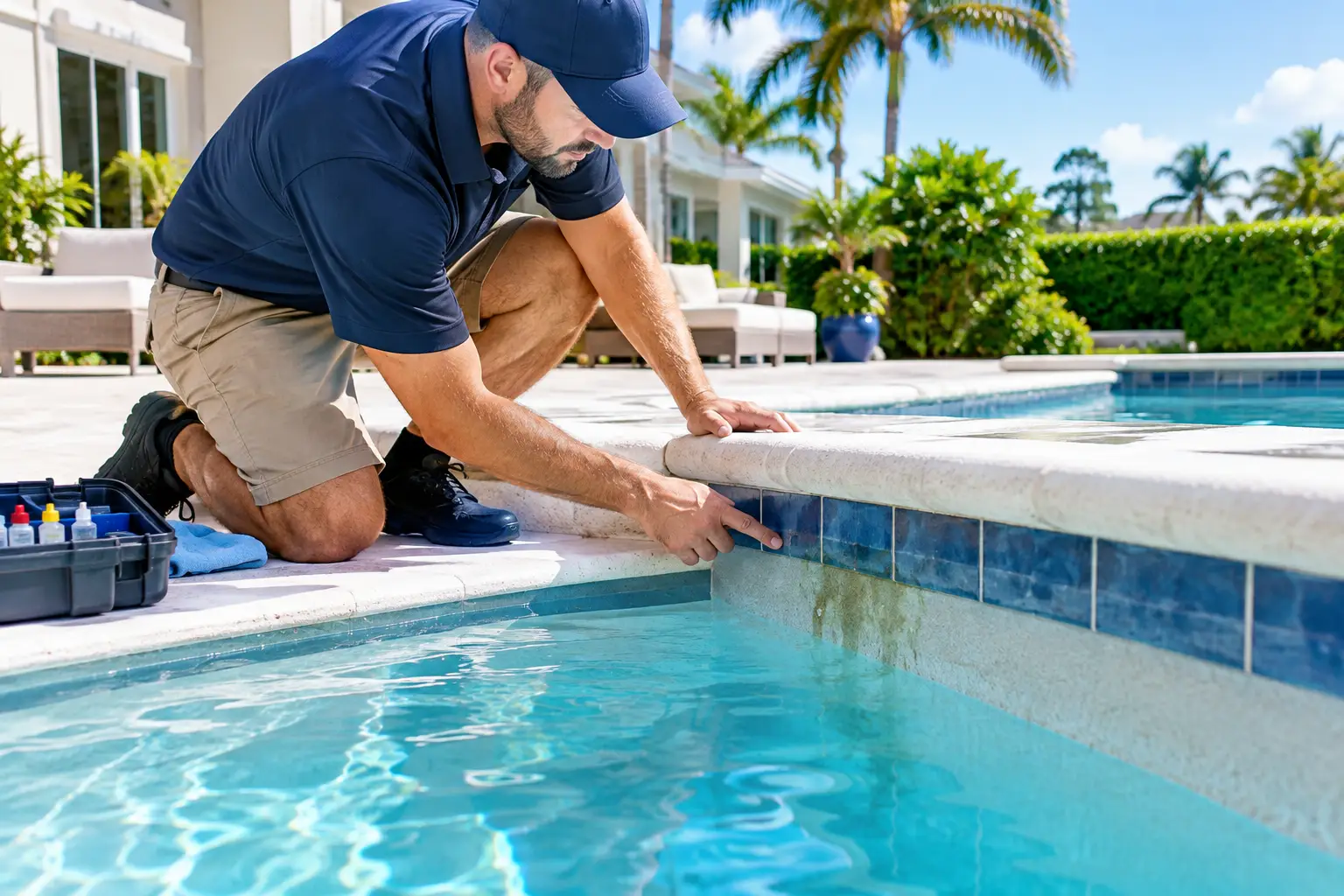
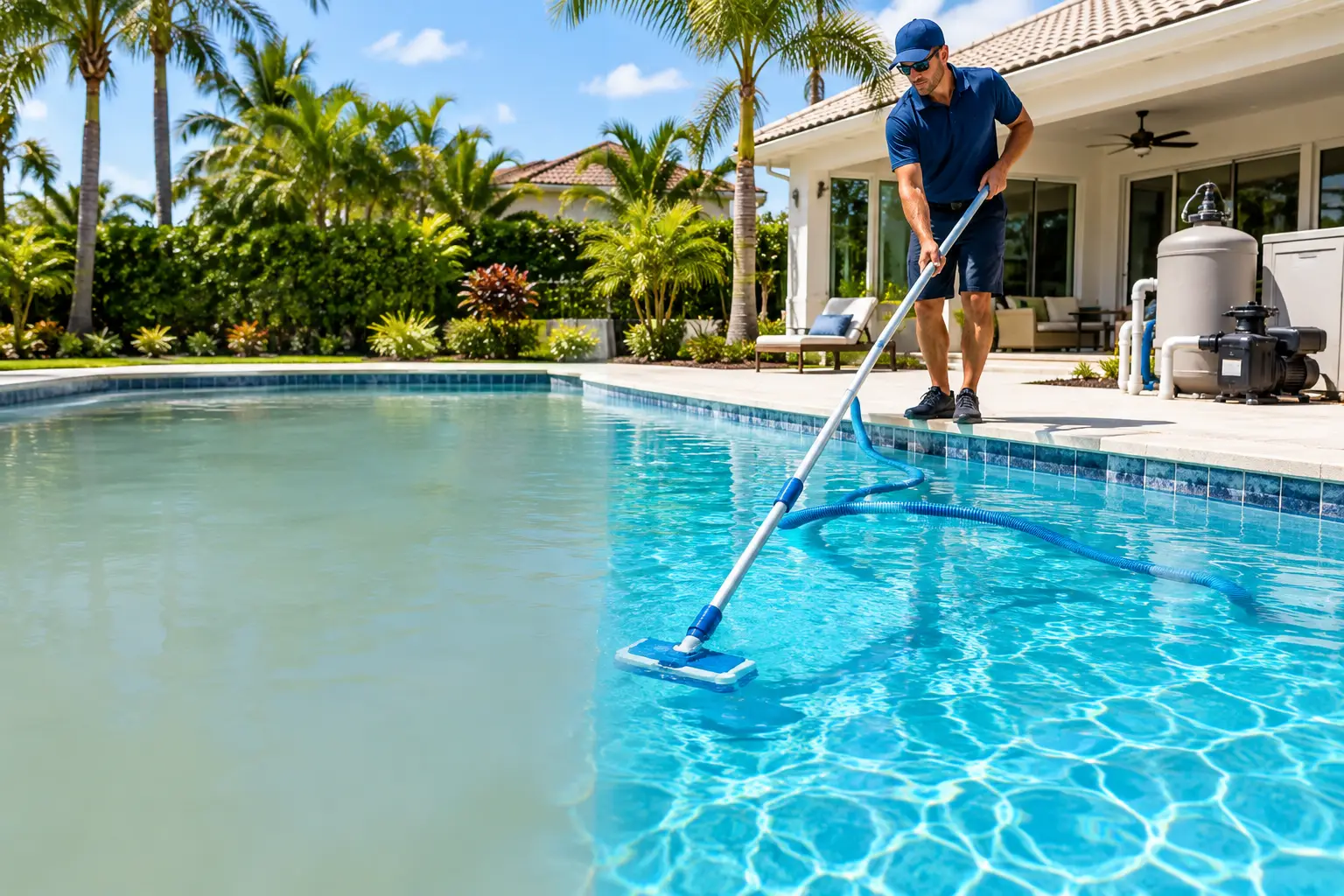
Algae recovery is about more than making the water look better for a day. The pool needs the right chemical balance, adequate circulation, cleaning, and follow-through so the problem does not return. A green-to-clean recovery may be appropriate when algae has taken hold, while a persistent clarity problem may call for inspection of the filter and equipment as well.
Air bubbles, drips, or falling water level
A bubble under the pump lid or bubbles blowing from the return lines can suggest air entering the circulation system. A visible drip around plumbing, the pump, filter, or heater is another clear reason to schedule attention. Small leaks can worsen, and a leak near equipment should never be treated as cosmetic.
Water level is more nuanced. Evaporation, splash-out, and rainfall affect it, especially during warm weather or when the pool is being enjoyed often. A steady, unusual drop when the pool is not in use is different. Take note of when you first noticed it, whether the equipment is running, and whether you can see moisture around the equipment pad. Those observations can help narrow down the issue.
A heater or heat pump that will not perform reliably
A pool heater or heat pump should make swimming more comfortable, not become a source of guesswork. If it will not start, cycles off unexpectedly, displays an error message, or does not maintain the selected temperature, professional troubleshooting is the sensible next step.
Performance can depend on air temperature, water flow, settings, and the condition of the equipment, so the answer is not always a simple repair. In some cases, an upgrade or replacement is more practical than repeatedly addressing an aging component. A straightforward explanation of the options helps homeowners make a decision based on the pool's needs and how they actually use it.
A saltwater system that is no longer keeping up
Saltwater pools still need regular testing and balanced chemistry. A salt system generates chlorine, but it does not eliminate the need for water care, filtration, or inspection. If chlorine readings are consistently low, the cell or system may need evaluation, or the water balance may be interfering with effective sanitation.
Avoid adding chemicals based on guesswork or trying to bypass equipment settings. Proper water testing identifies what the pool needs and prevents one correction from creating a new problem. The aim is water that is safe, comfortable, and perfectly balanced, not simply water that appears clear.
Why Early Repairs Protect the Whole Pool
Pool systems are connected. Restricted circulation can affect filtration, heater performance, and sanitation. A neglected leak can place stress on equipment or waste treated water. Poor water balance can contribute to surface staining, scale, corrosion, or swimmer discomfort.
That is why a repair visit should consider the whole operating picture. A technician may check the equipment's visible condition, circulation, pressure, water chemistry, and the homeowner's description of the change. The best path may be a focused repair, a cleaning or recovery service, an equipment adjustment, or an upgrade that better fits the pool.
There are trade-offs. Repairing a specific component can be the right choice when the equipment is otherwise in good working condition. Replacing older equipment may make more sense when reliability, efficiency, or compatibility with automation has become a concern. There is no one-size-fits-all answer, and clear information makes the decision less stressful.
What to Do Before Your Service Visit
You do not need to diagnose the repair, but a few details can make the visit more efficient. Note when the issue started, whether it is constant or intermittent, and any messages shown on the equipment display. If the problem is water related, describe recent weather, heavy pool use, or treatments already performed.
It also helps to leave the equipment area accessible and avoid changing multiple settings before the visit. If there is an active leak, unusual electrical behaviour, a burning smell, or equipment that will not shut off properly, keep people away from the area and seek professional help promptly.
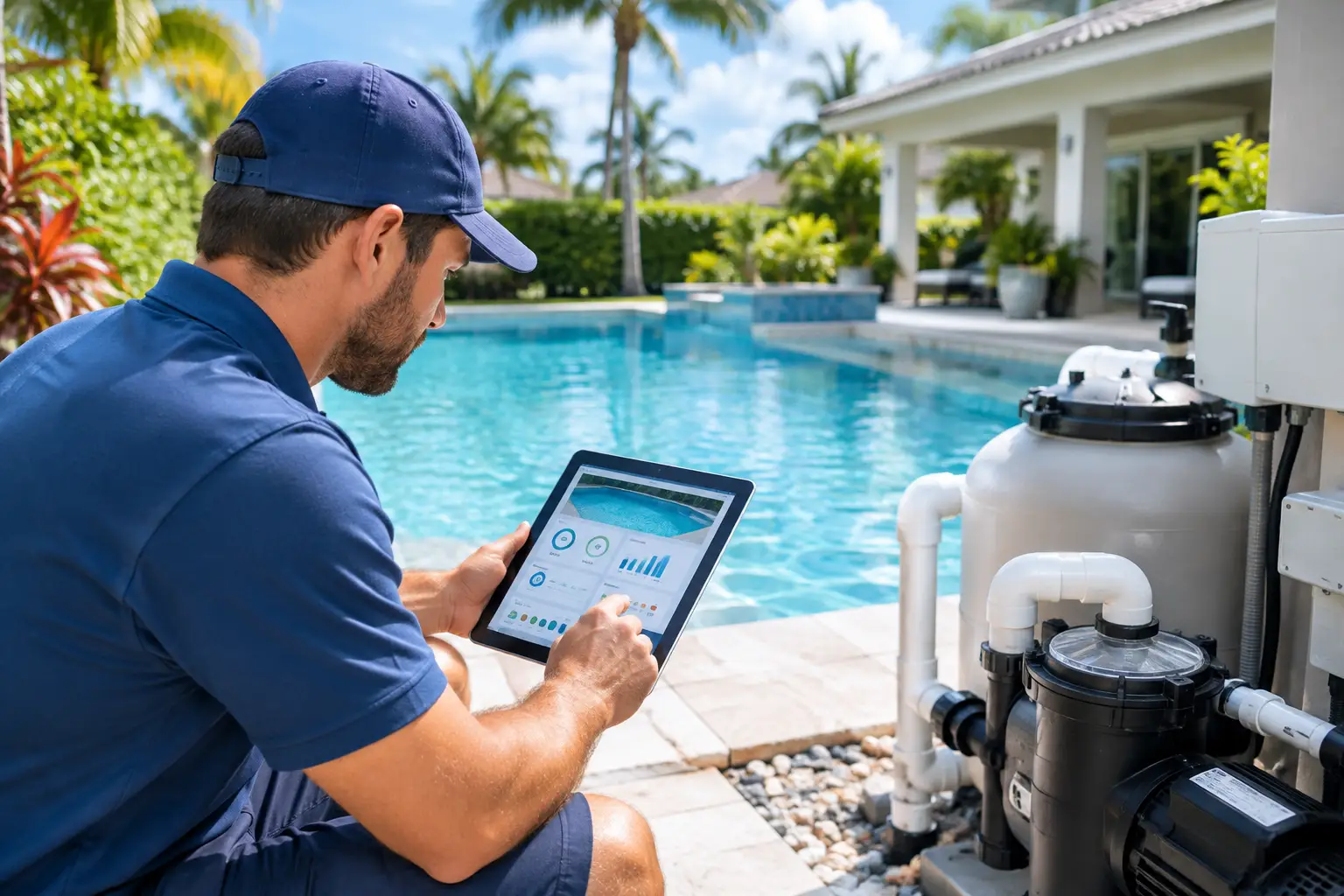
For routine concerns, digital visit reports and photos provide useful peace of mind. Homeowners can see what was checked, what was completed, and what may need follow-up. That level of communication is especially valuable when a repair is part of ongoing weekly care rather than a one-time service call.
Repair, Upgrade, or a Fresh Start?
Some pool concerns create an opportunity to improve how the pool fits your household. Automation systems can simplify schedules and controls. Pool cooling solutions can make warm-season swimming more pleasant. A new pump, heat pump, or saltwater system may offer a better match for the way your family uses the pool.
A new pool or recently resurfaced pool also needs a structured start-up process. The first weeks are not the time to take shortcuts with chemistry or brushing. Consistent care supports the surface as it settles and establishes a stable routine for the water and equipment.
Turtle Pool Care brings family-owned accountability to residential pool care, repairs, recoveries, and equipment support in selected western Palm Beach County communities. The approach is simple: pay attention to the small changes, communicate clearly, and keep each pool turtly clean with care that fits its condition.
If your pool is acting differently than it did last month, trust that observation. A quick note, a timely inspection, and the right repair can keep a minor concern from taking the fun out of your next swim.