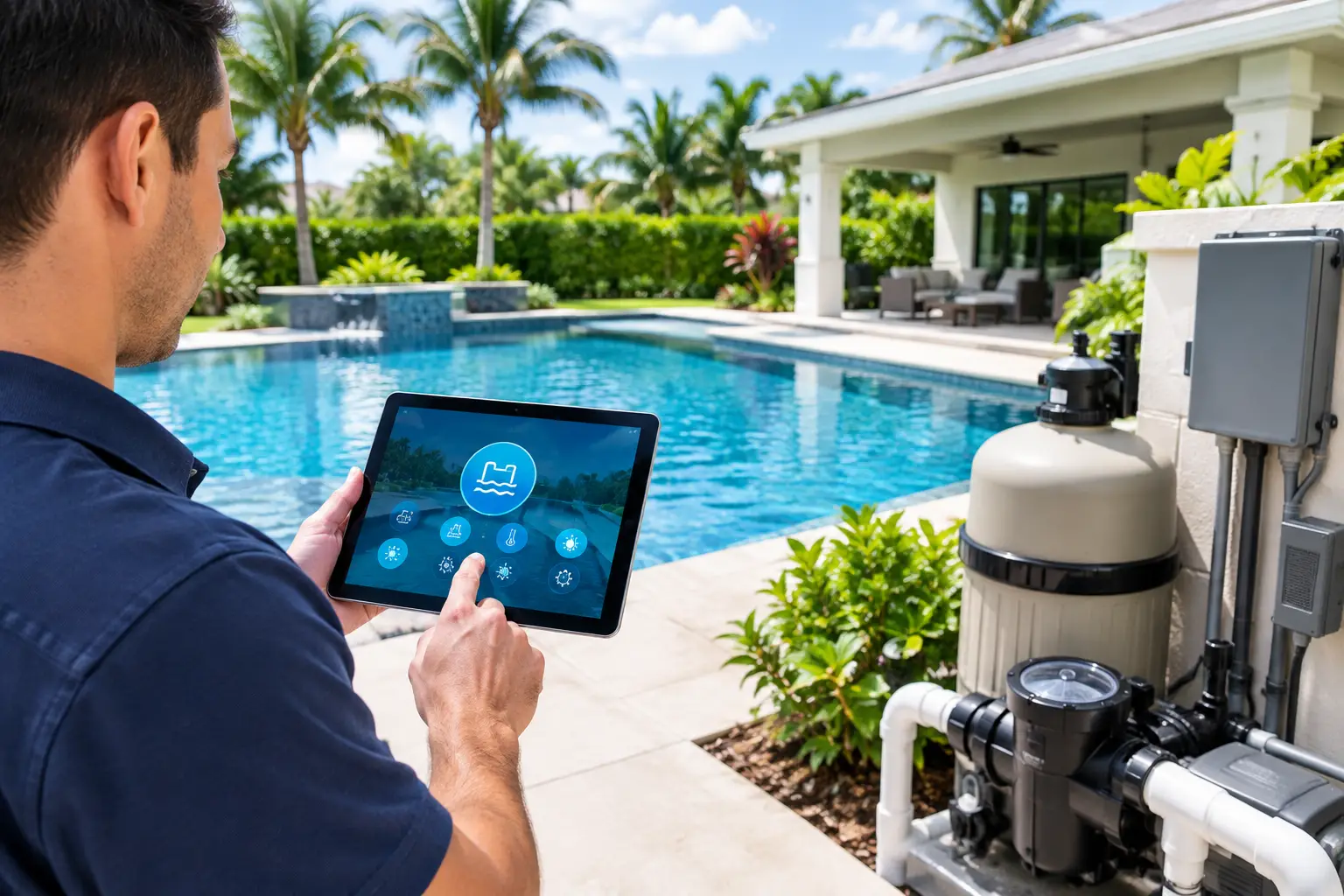
A pool controller can turn a post-work equipment check into a quick look at your phone. That convenience is why pool automation reviews often focus on apps, timers, and voice control. For a Florida homeowner, though, the better question is simpler: will this system make your pool easier to operate, easier to maintain, and less likely to surprise you with an avoidable equipment or water-quality issue?
A good automation system can do all three. A poor match can leave you paying for features you never use, struggling with an unreliable connection, or wishing the controls were simpler. Here is how to read reviews with a clear picture of what matters at your pool.
What Pool Automation Reviews Often Miss
Reviews are useful, but they usually reflect the first few weeks of ownership. A homeowner may be thrilled to start the pump remotely or switch on pool lights from the patio. Those are real benefits. They do not always reveal how well the system performs after a storm, during a heater issue, or when the pool needs an adjustment to its normal schedule.
Look beyond star ratings and ask what kind of pool the reviewer has. A basic pool with a single-speed pump and light has very different needs from a pool with a variable-speed pump, heat pump, saltwater system, spa, water features, or a suction-side cleaner. A controller that feels wonderfully simple on one setup may be too limited for another.
It also helps to separate complaints about the equipment from complaints about installation or setup. If several reviews mention confusing programming, that could signal an awkward interface. If they mention repeated communication problems, find out whether the system relies on a strong home Wi-Fi signal, an outdoor antenna, or a connection that was not configured correctly. The details matter.
Start With the Equipment You Already Have
Automation is not a one-size-fits-all purchase. Before comparing systems, make a short inventory of your current equipment and the functions you want to control. Your pool professional can confirm compatibility and identify equipment that may need attention before automation is added.
For most residential pools, the core automation tasks are pump scheduling, lighting, and heater or heat-pump control. These functions can make a meaningful difference in day-to-day convenience. You can run filtration at planned times, set lighting scenes for an evening swim, or prepare the water temperature before guests arrive.
A variable-speed pump deserves special attention. Its energy-saving value depends on using appropriate speeds and run times for circulation, heating, cleaning, and water features. Automation makes it easier to create those schedules, but it is not a substitute for setting the system up correctly in the first place. A schedule that runs too slowly may compromise circulation. One that runs faster or longer than needed can waste energy.
Saltwater pools, chemical feeders, and water-level devices also require careful review. Some systems display alerts or integrate with certain equipment, while others only offer basic on-and-off control. Do not assume that an app means the system is monitoring every aspect of pool chemistry. Regular professional water testing and balancing are still essential for safe, perfectly balanced water.
Features That Deliver Real Everyday Value
The best feature is usually the one that solves a repeated household routine. For many families, scheduling is more valuable than elaborate app controls. A dependable schedule means the pool circulates when it should, the heater follows your plans, and lights are ready when the family uses the pool.
Remote access is especially helpful when you travel, own a second home, or want to check whether equipment is running before you return. It can also make service conversations more productive. If a pool professional is diagnosing an issue, current settings and alerts can provide useful context.
Freeze protection is a common feature in many controllers, although it is rarely a major concern in western Palm Beach County. More relevant locally is equipment protection during power interruptions, heavy rain, and periods of intense heat. Look for systems that retain schedules after an outage and provide clear status information when the equipment comes back online.
If your pool has a spa, actuator-controlled valves, water features, or multiple light zones, confirm that the controller has enough relays, valve capability, and expansion options. Buying a basic system that is already at capacity can make a later upgrade unnecessarily complicated. On the other hand, paying for a large controller with advanced features you will never use is not always the smart choice.
App Experience Matters, but Reliability Matters More
Most homeowners interact with modern automation through an app, so ease of use deserves a close look. Read reviews for practical tasks: changing a schedule, viewing equipment status, adjusting the temperature, and receiving an alert. Screenshots and demonstration videos can help, but firsthand comments often show whether common controls are easy to find.
Still, the app should not be the only way to operate the pool. A clear, accessible equipment-side control panel is valuable when Wi-Fi is down, a phone is unavailable, or someone needs to make a simple adjustment at the pad. Ask whether the system remains usable locally and what functions are available without an internet connection.
Wi-Fi coverage at the pool equipment area is another overlooked factor. A strong signal inside the house does not guarantee a reliable signal near an exterior equipment pad. Intermittent connectivity can turn a convenient controller into a frustrating one. A professional assessment can help determine whether the system’s communication method suits the property before installation begins.
Installation Is Part of the Product
Pool automation involves electrical connections, high-voltage and low-voltage equipment, plumbing-related valve controls, and programming. It is not a homeowner weekend project. Correct installation protects people, equipment, and the long-term usefulness of the system.
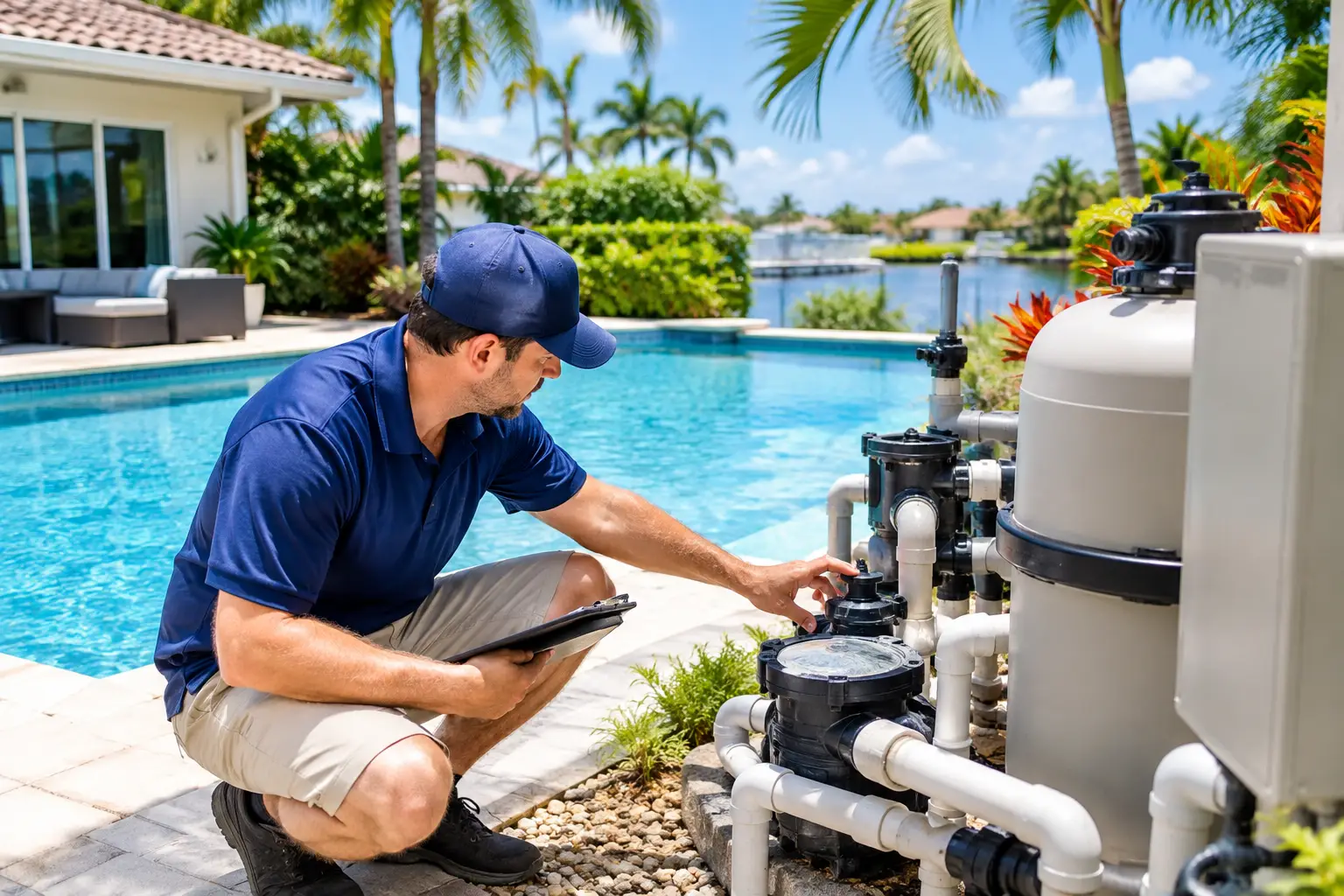
During an installation conversation, ask how the existing panel, breakers, pump, heater, lights, and valves will be evaluated. Older equipment may be functioning today but may not be the best partner for a new controller. A thoughtful installer will explain what can be integrated now, what may need repair or replacement, and where limitations could affect the final result.
This is also the time to discuss the controller location and weather exposure. Equipment pads in Florida face sun, rain, humidity, insects, and the occasional hard storm. The enclosure, wiring, connections, and installation quality all contribute to dependable operation over time.
After installation, programming should reflect how your household actually uses the pool. There is no universal “best” pump schedule. Usage, bather load, water temperature, heating needs, landscaping debris, and equipment type all influence the right approach. The goal is practical operation, not a complicated setup that only one person understands.
Questions to Ask Before Choosing a System
A review can point you toward a short list, but a few direct questions can prevent the most common disappointments. Ask whether the system is compatible with your specific pump, heater, lights, saltwater equipment, and valve actuators. Ask how many circuits it can manage today and whether it can grow with future upgrades.
Also ask how schedules are created, what happens during an internet or power outage, whether alerts are available, and who can assist if the settings need to be changed later. Support is not glamorous, but it becomes very valuable when an equipment change, a new heater, or a household routine requires reprogramming.
For homeowners in Wellington, Royal Palm Beach, Westlake, Loxahatchee and The Acreage, a local pool professional can also factor in the way your equipment pad, electrical setup, and daily pool use affect the recommendation. Turtle Pool Care approaches automation as part of the whole pool system, not as a gadget added to the wall.
Automation Still Needs Pool Care
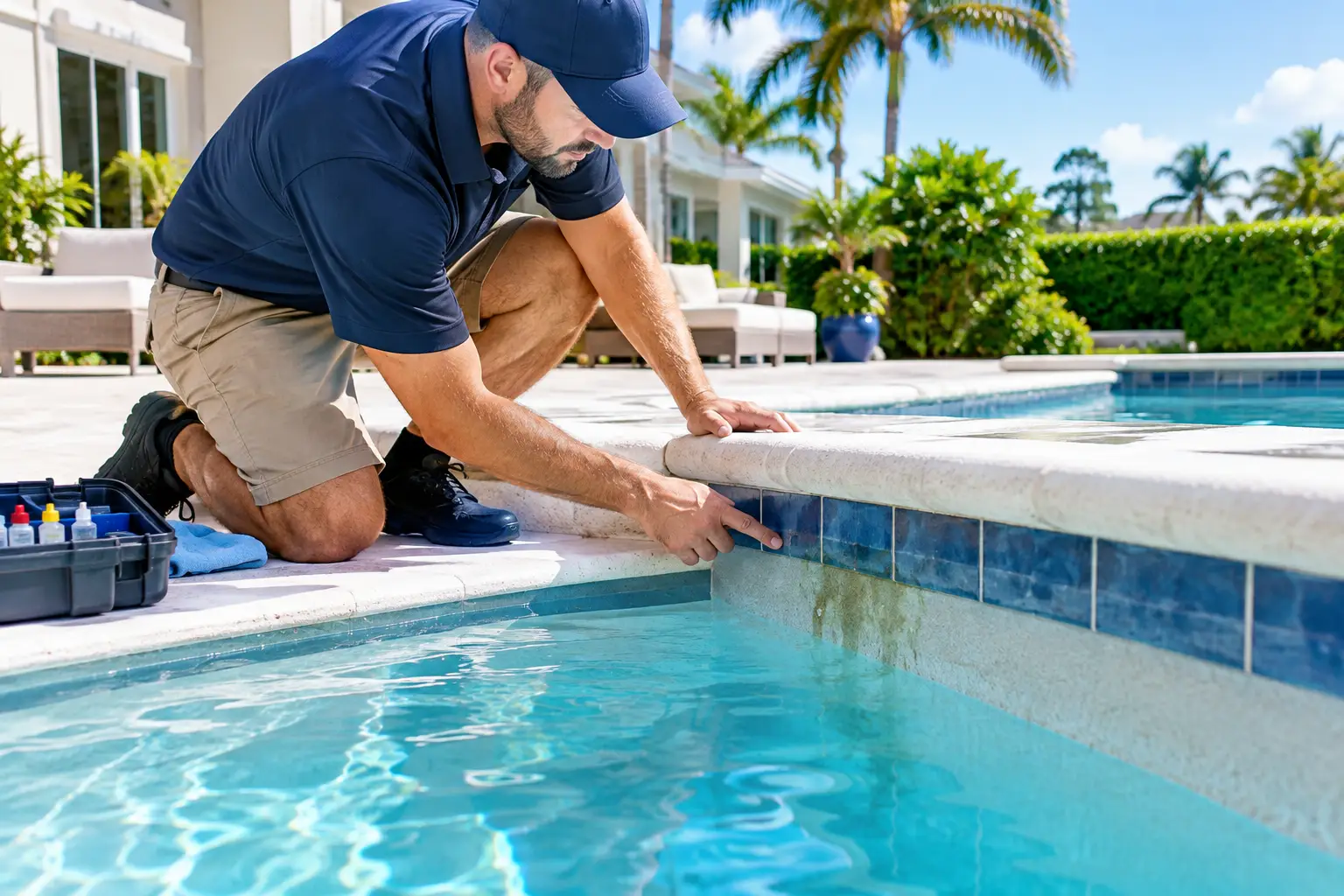
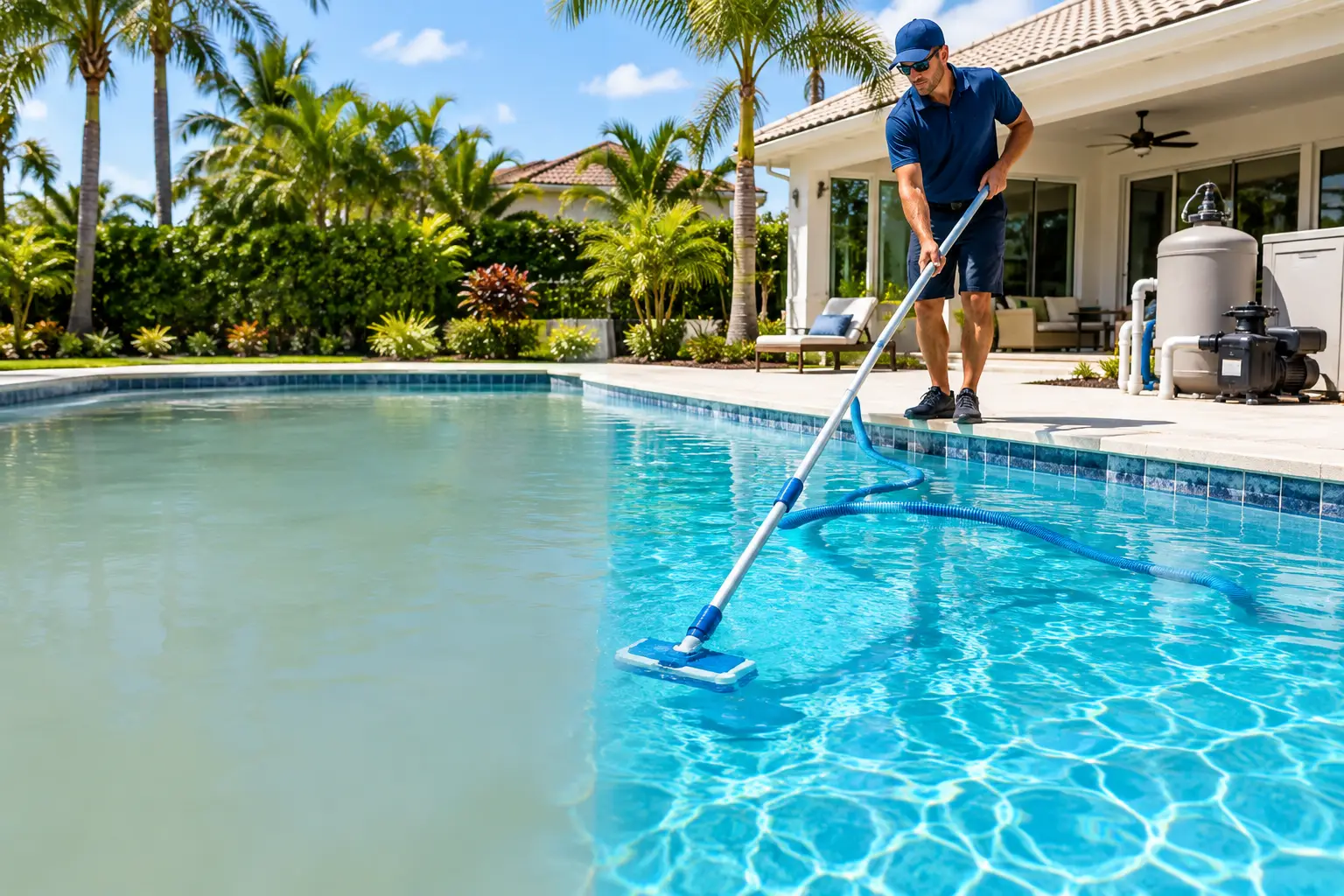
Automation can improve consistency, but it cannot skim leaves, brush walls, inspect a pump basket, correct developing water chemistry, or identify every small equipment concern. It gives you better control over operation while regular pool service keeps the water and equipment under watch.
That combination is where homeowners tend to get the most value. Your controller handles the repeatable routines. Ongoing care verifies that circulation is effective, chemistry remains balanced, and the equipment is operating as expected. Detailed service reports and photos can make that oversight easier to follow without needing to stand at the equipment pad yourself.
Choose the automation system that makes your pool feel calmer to own, not more technical to manage. When the settings are sensible, the equipment is compatible, and support is close at hand, you can spend less time managing buttons and more time enjoying water that stays turtly clean.